Workflow Planning
Planning a practical hygiene entry area for worker flow
How food factories and central kitchens can plan a hygiene entry area around people, equipment, cleaning steps, and daily management.
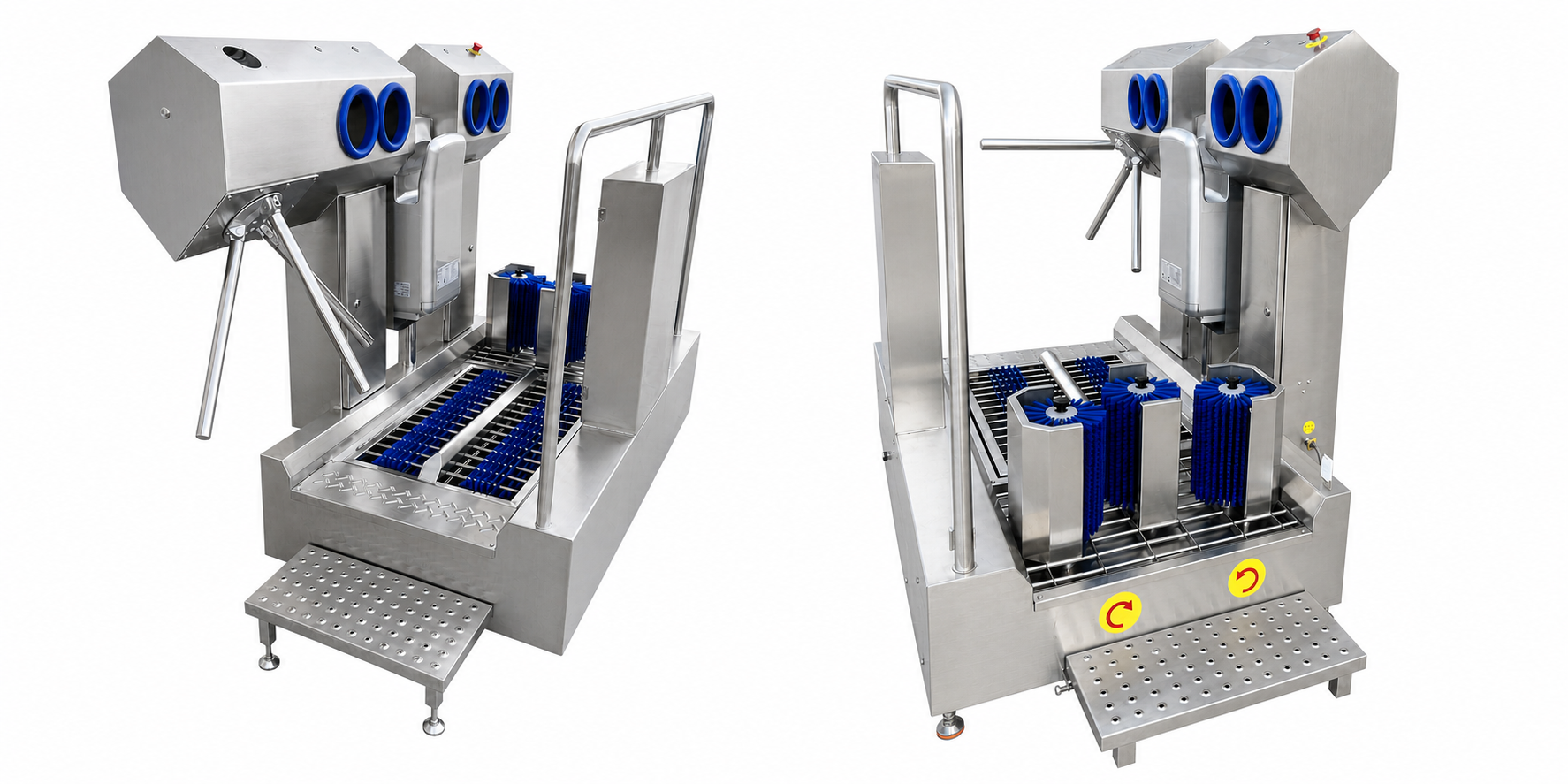
Start with how workers actually enter production
A hygiene entry area works best when it follows the natural movement of workers. Before selecting food factory hygiene equipment, managers should map the path from changing room to production door. The sequence may include shoe locker storage, a hand washing station, boot washer cleaning, hand sanitizing, and final entry control. In a food processing plant or central kitchen, this flow should be simple enough to repeat during every shift change. If people need to turn back, cross wet zones, or wait in a narrow aisle, the hygiene entry solution may look complete on paper but become difficult to manage in daily use.
Match equipment to space, water, and cleaning routine
The right mix of stainless steel equipment depends on room size, worker quantity, drainage, voltage, and cleaning frequency. A compact site may only need a hand washing station and controlled boot cleaning point. A larger food processing plant may combine a boot washer, boot drying rack, stainless steel shoe locker, and custom stainless steel equipment for different departments. Commercial kitchen equipment should also leave enough access for maintenance. Smooth surfaces, reachable corners, and clear water drainage help workers clean the area after production instead of treating the entry room as a forgotten space.
Plan for management before choosing custom options
Custom dimensions are useful, but they should support a clear management goal. For OEM / ODM equipment projects, distributors and kitchen contractors can first confirm worker numbers, boot sizes, local voltage, packaging needs, and installation limits. Then the hygiene entry area can be adjusted without adding unnecessary complexity. A good plan connects equipment, people, and daily checks: who refills soap, who cleans the boot washer, where wet boots dry, and how visitors enter. These details help factories build a practical system rather than only buying separate machines.
Comments
Discuss this topic
Visitors can leave a short comment or question about this article. Comments are shown on this device after submission.
No comments yet. Be the first to discuss this topic.